In-depth looks at tools and tech worth your time. Skip the fluff, get the verdict.
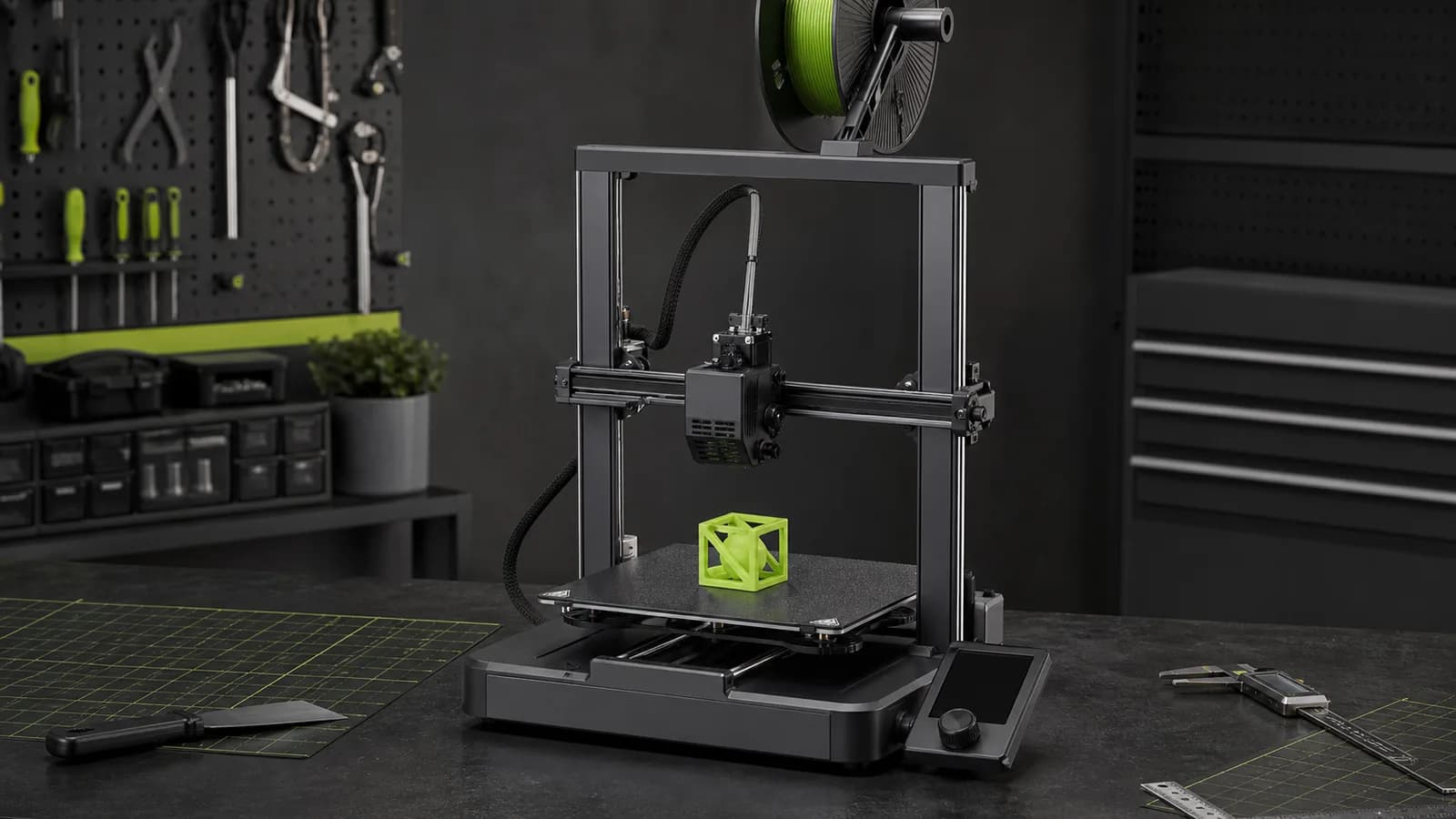
A beginner 3D printer should feel like an appliance, not a weekend project. Here’s what actually matters (auto-levelling, slicer sanity, support) and what to ignore.
Air purifiers aren’t magic — they’re fans plus filters. If you buy by the right numbers (CADR/ACH) and don’t get tricked by loud ‘turbo’ modes or pricey filters, you can meaningfully cut dust, pollen, and smoke in a single room.
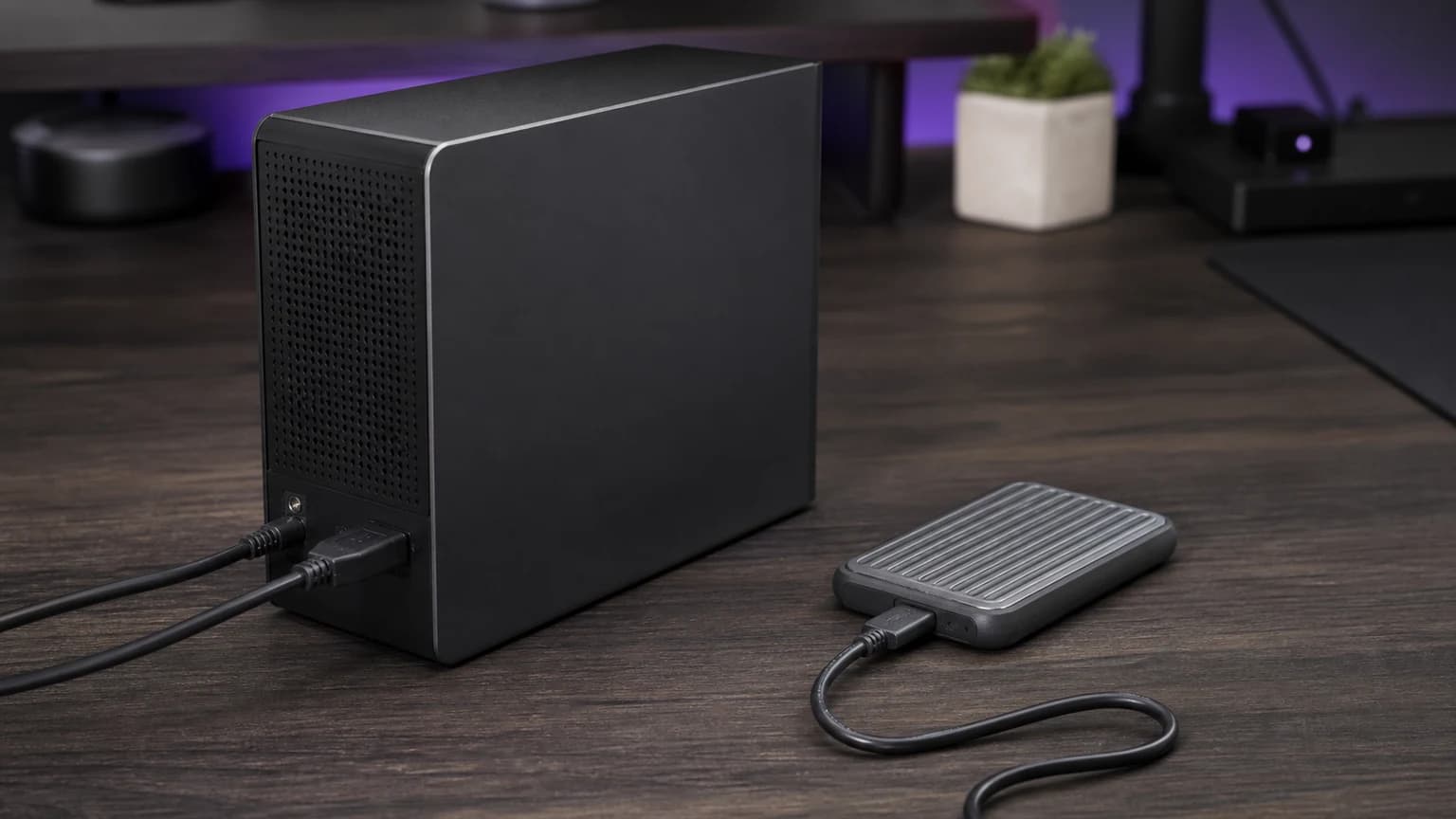
An 8TB external HDD is still the cheapest way to buy a lot of storage. The trick is getting one that’s quiet, doesn’t drop connections, and won’t make you hate backups. Here’s how to choose the right 8TB box in 2026.
A good hot air station isn’t about hitting 480�C — it’s about stable airflow, fast thermal recovery, and tips/nozzles that make it hard to mess up. Here’s how to choose one for SMD rework, from hobby to bench-pro.
A monitor arm is either a daily delight or a slow-motion rage machine. Here’s how to pick one that holds position, fits your desk, and doesn’t bounce every time you type.
A robot vacuum can be a cheat code for clean floors — but only if you buy the right kind for your home. Here’s how to pick one that navigates well, empties reliably, and doesn’t turn mopping into a science project.
Indoor cams are either helpful or creepy. This guide is about buying one that records reliably, respects your privacy, and doesn’t trap you in a cloud subscription just to be useful.
A good soldering station is about thermal recovery, tip ecosystem, and ergonomics — not just an LCD that says 350°C. Here’s how to pick one that makes clean joints easy (and rework less miserable).
A UPS isn’t a ‘bigger power board’. It’s a controlled shutdown button you hopefully never press. Here’s how to pick the right capacity, topology, and waveform so your PC/NAS/router survives outages without drama.
Most monitor advice is spec-sheet cosplay. Here’s how to buy a 27" 4K monitor that looks sharp, doesn’t flicker, and won’t ruin your eyes after 8 hours.
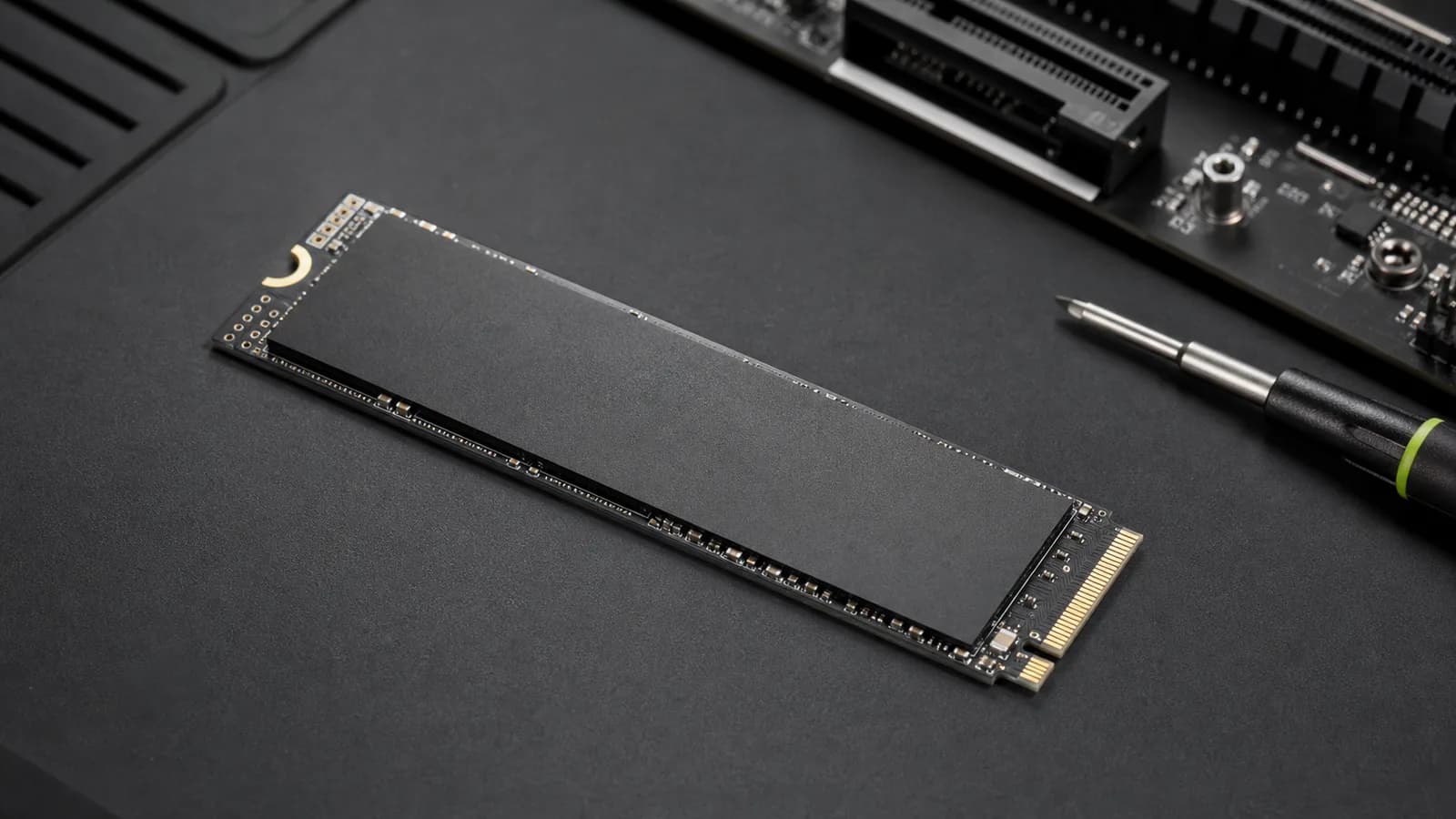
2TB is where NVMe stops being a spec sheet flex and starts being a sane daily-driver: enough space for games, projects, and caches — without paying the ‘I’m building a NAS in my PC’ tax. Here’s what to buy, and what to avoid.
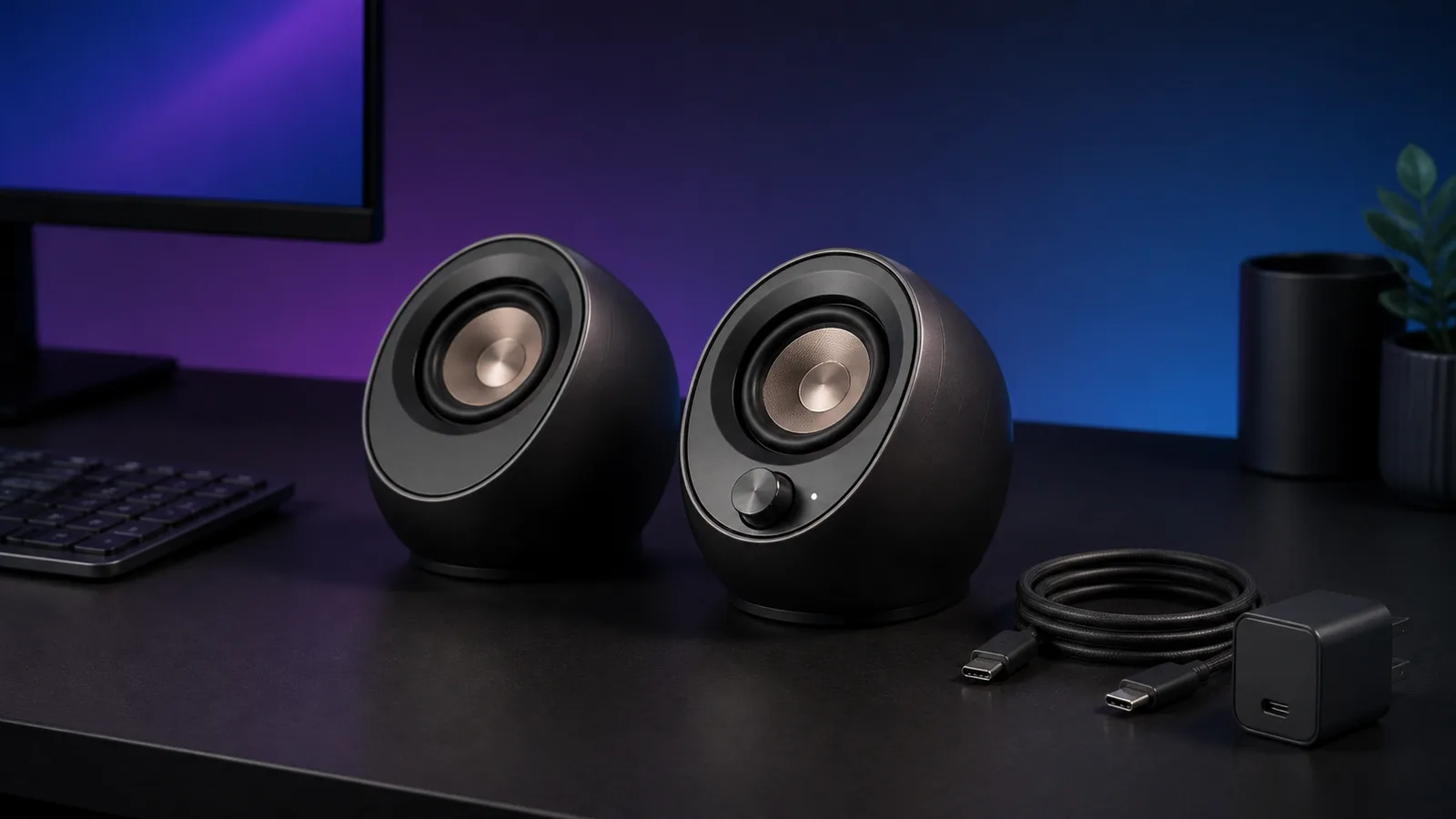
Bluetooth speakers are a minefield of fake watts, shouty tuning, and mystery waterproofing. Here’s how to buy a good one in 2026 — and the picks that usually nail it.
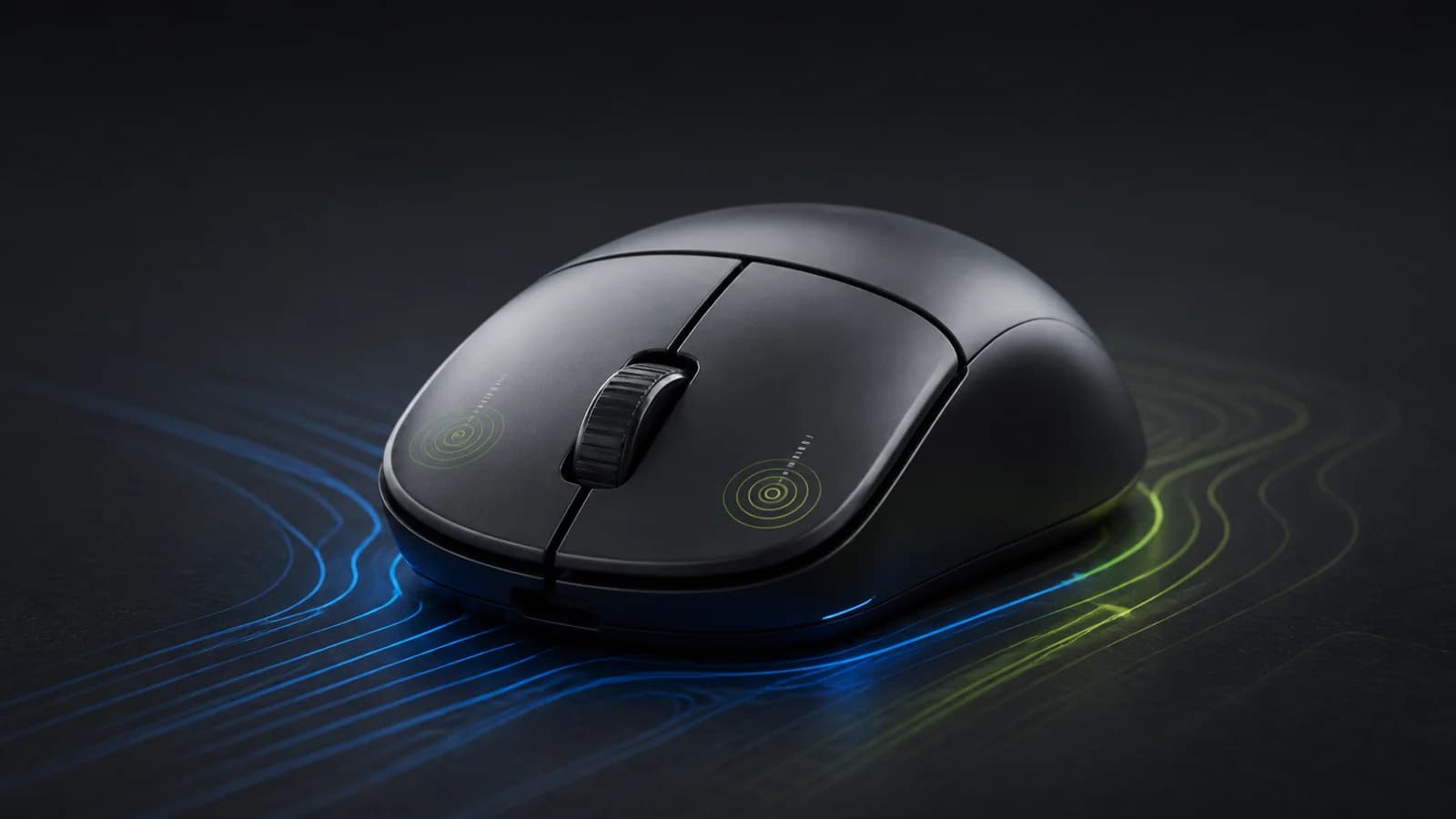
Ergonomic mice are either a quiet life upgrade or an expensive regret. Here’s how to choose one that fits your hand, your desk, and your actual pain points.
A 2TB external SSD is the ‘one drive’ size: big enough for photo/video libraries, game installs, and travel backups — without turning your bag into a brick. Here’s what to buy (and what to dodge) in 2026.
Mini PCs are either quiet little workhorses… or hot, loud compromise boxes. These 2026 picks focus on the stuff spec sheets hide: sustained performance, ports, thermals, and upgrade paths.
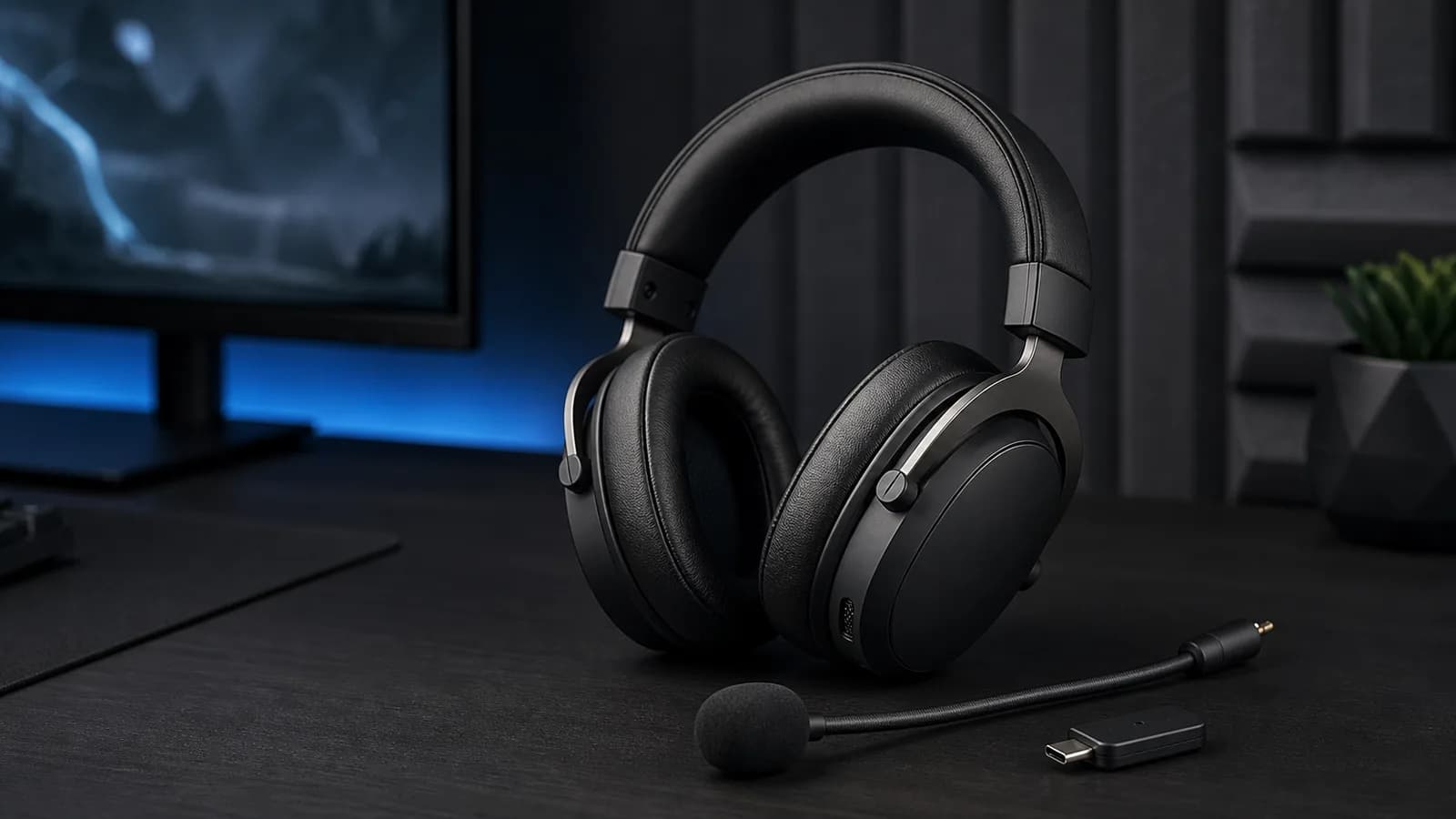
ANC is incredible when it’s tuned well—and miserable when it isn’t. Here are the 2026 picks that get the fundamentals right, plus the red flags that waste your money.
A power strip is cheap plastic until it’s the only thing between your gear and a spike. Here’s how to buy surge protection that’s actually engineered—plus the red flags.
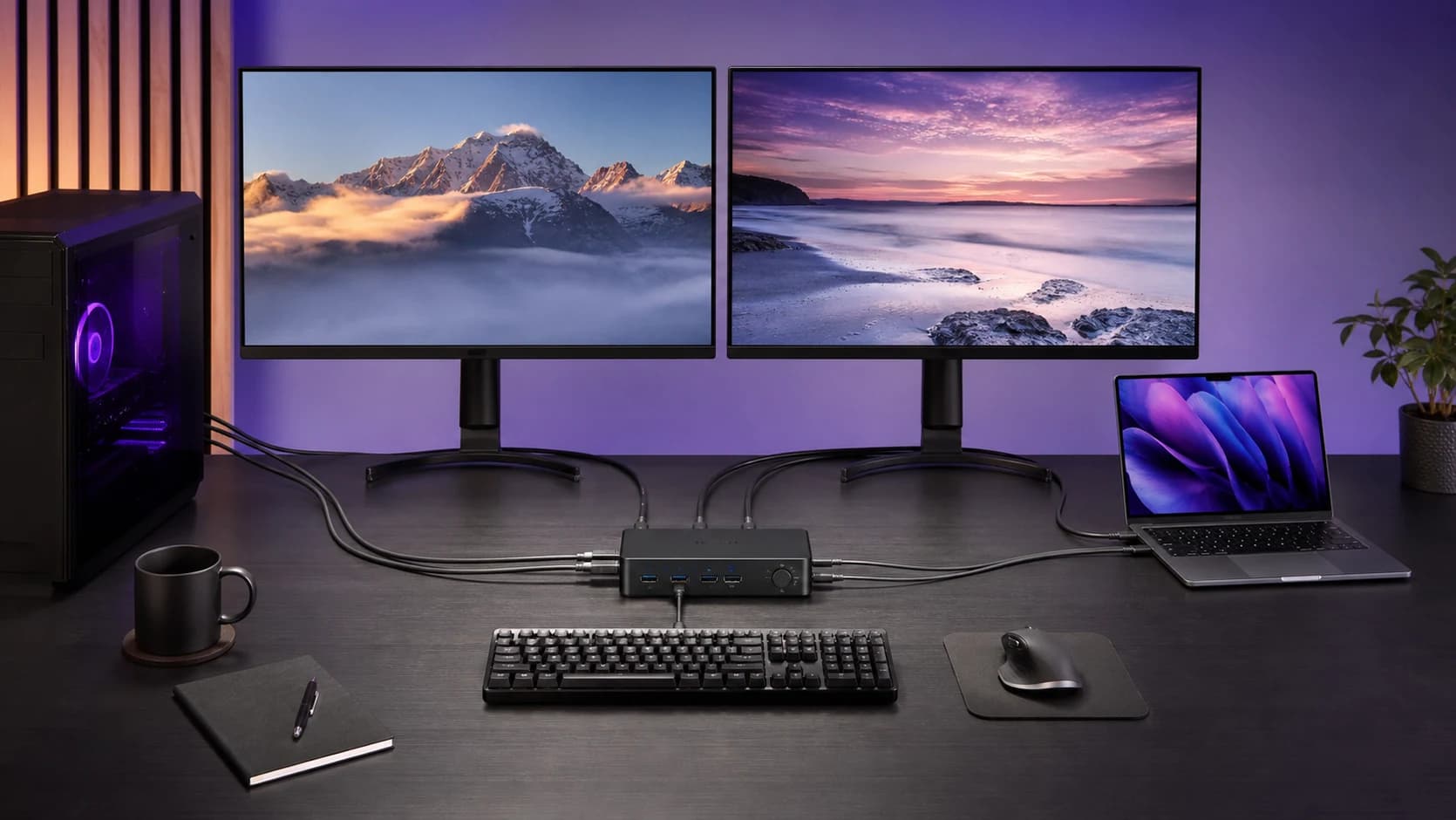
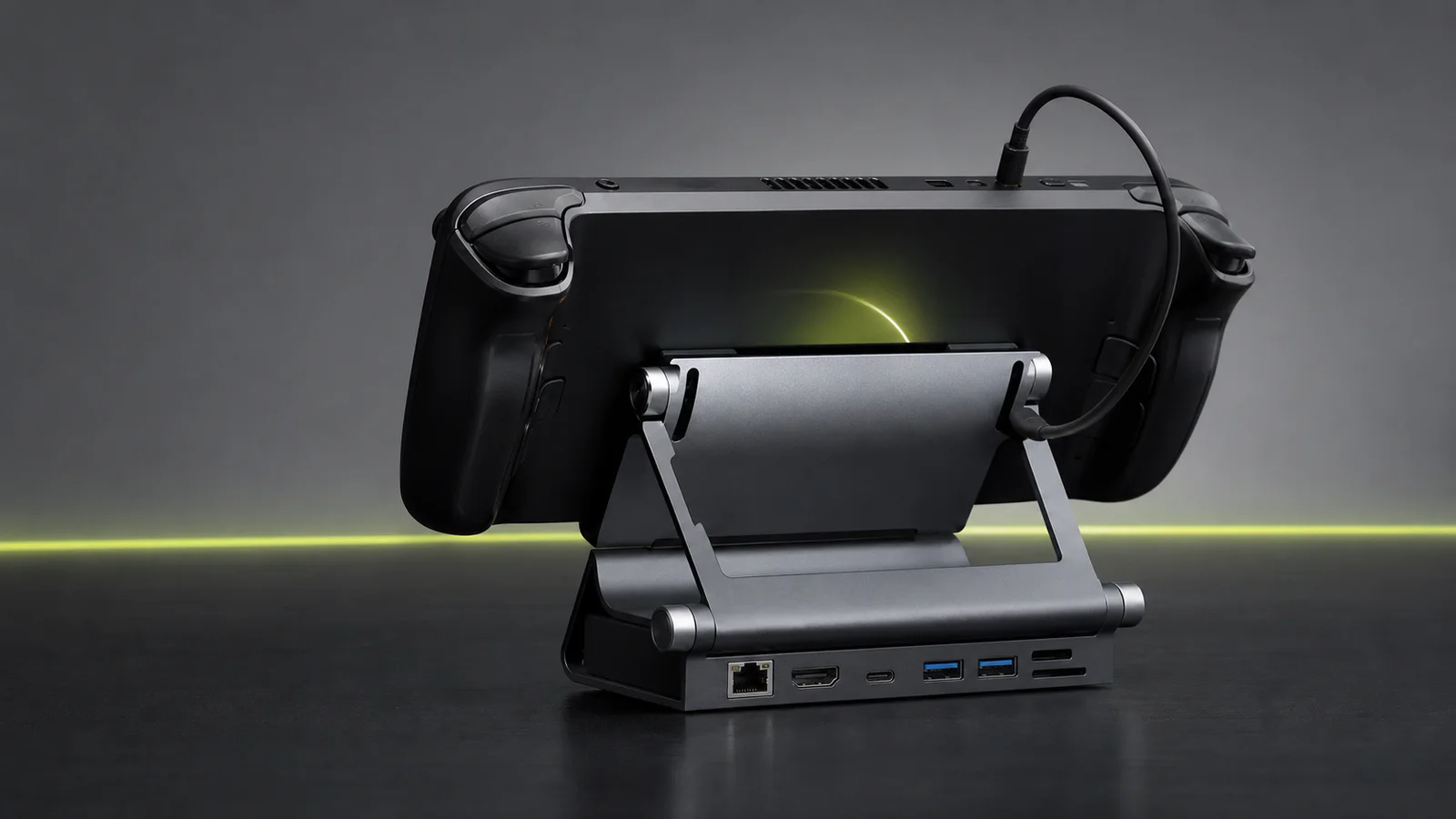
Thunderbolt docks look like fancy USB hubs—until you realize you’re paying for stability, display sanity, and real bandwidth. Here’s how to pick one that won’t flake out six months in.
Great earbuds aren’t just about ‘big bass’—they’re about fit, stability, call quality, and not getting trapped in a codec ecosystem. Here’s how to buy smart in 2026.
Most ‘MacBook USB‑C hubs’ are fine—until you add a second display, fast storage, and a flaky HDMI cable. Here’s what actually matters, what to buy, and what to avoid.
USB‑C power banks are either lifesavers or expensive liars. Here’s how to pick one that actually does USB‑PD properly (and doesn’t faceplant at 30%).
You don’t need a studio mic to sound professional on Zoom/Meet—just the right pattern, placement, and a mic that behaves. Here are the 2026 picks and the traps to avoid.
A USB4 NVMe enclosure can turn any spare M.2 drive into a near-internal-speed scratch disk — or a tiny hand-warmer that drops to USB 2.0 vibes mid-transfer. Here’s how to buy the good kind.
Most ‘bad webcam’ complaints aren’t about resolution — they’re about lighting, exposure, and a tiny sensor panicking in your dim room. This is the practical buying guide: what to buy, what to skip, and how to get a clean, flattering image for Zoom/Teams/Meet.
Portable monitors are either a productivity cheat code or a floppy disappointment. Here’s how to buy one that’s bright enough, sharp enough, and not a driver nightmare.
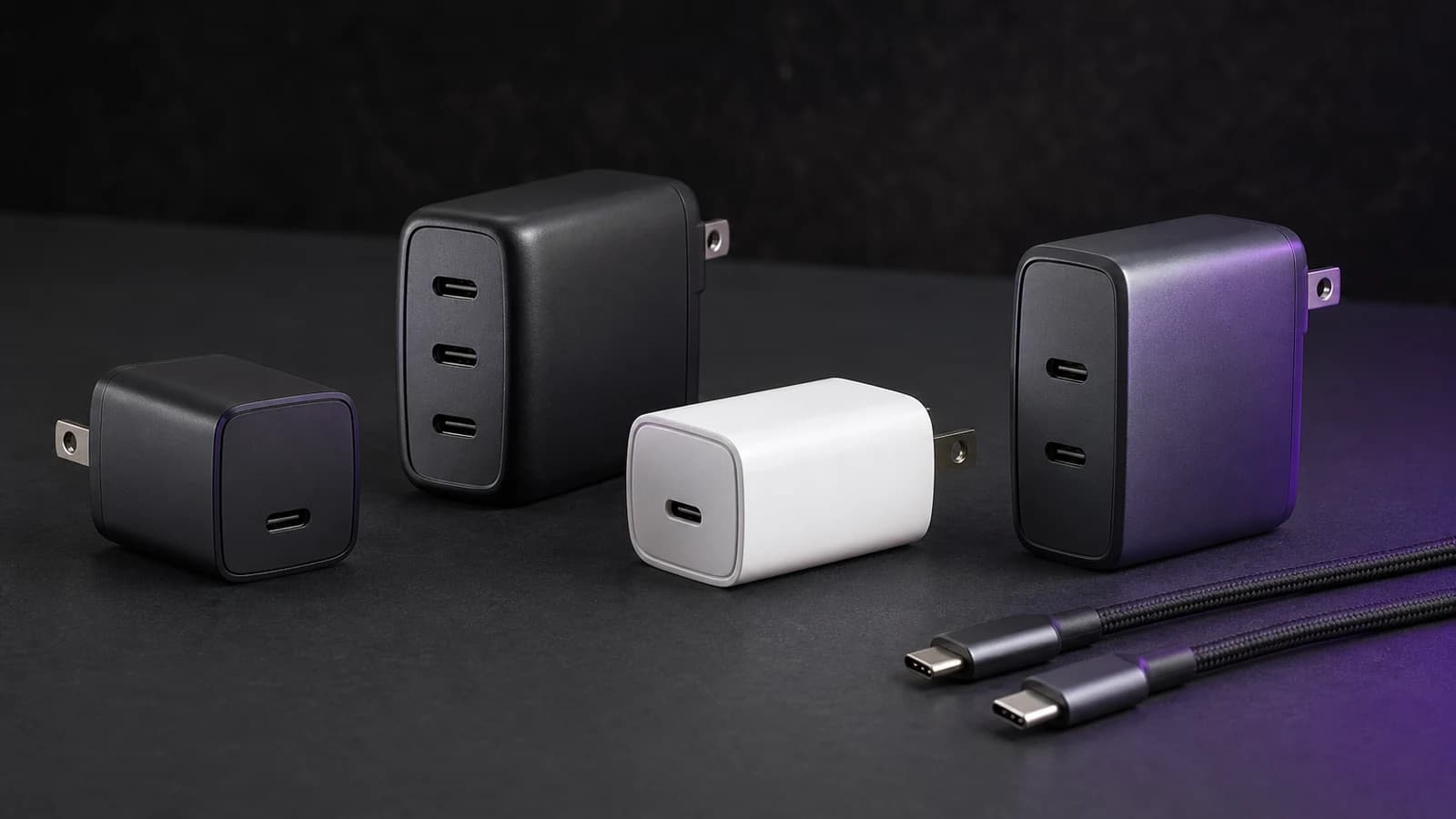
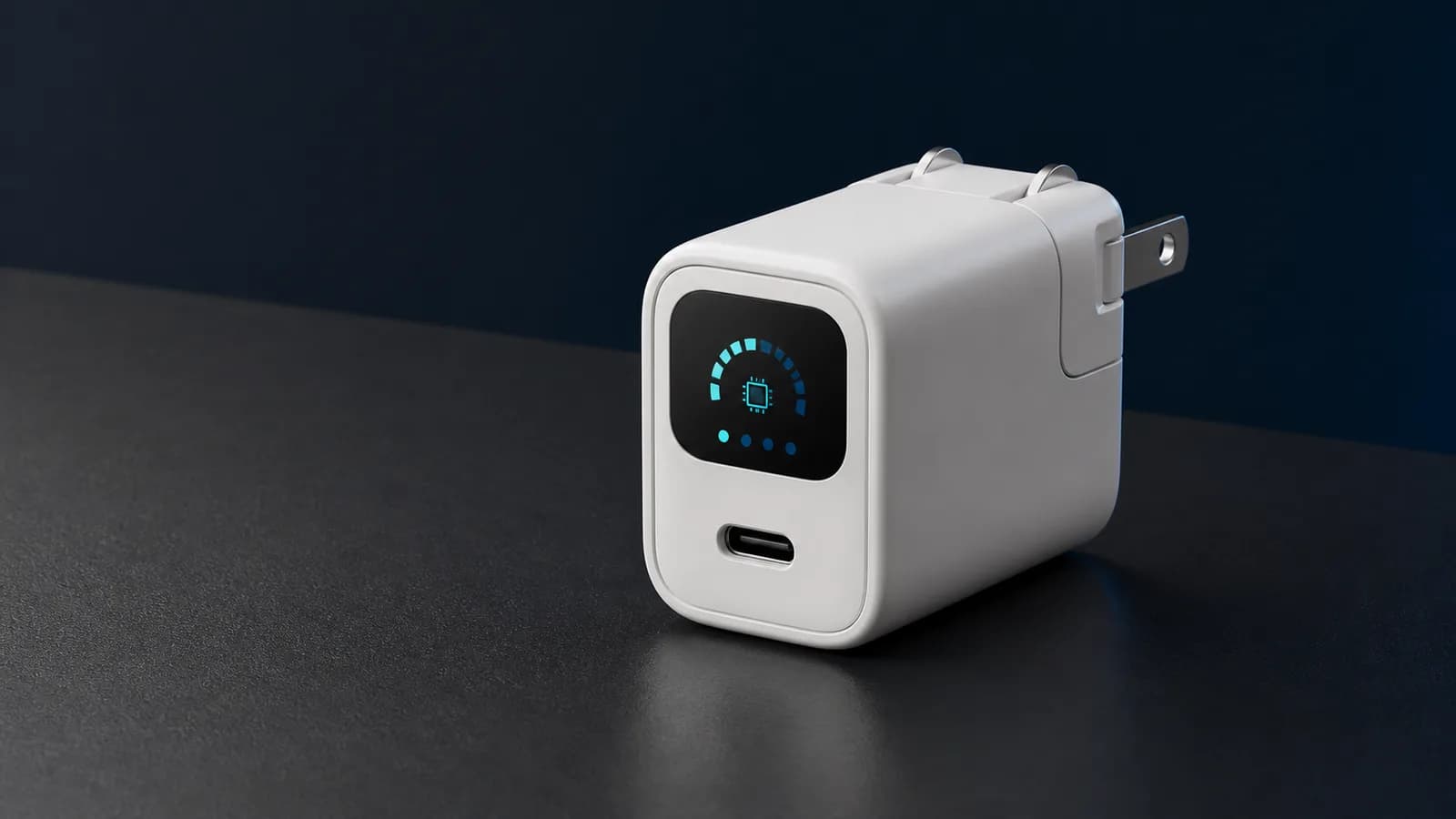
A 100W charger should be boring. It isn’t. Here are the 2026 picks worth buying, plus a simple way to avoid the spec-sheet scams.
If you charge a laptop + phone + tablet daily, 200W class chargers are where life gets easier. Here’s what to look for—and what specs are pure theatre.
Wi‑Fi 7 is worth it when it reduces latency spikes and congestion. Here’s how to buy the right router for your space—without paying for marketing.
A brutally honest teardown of a cheap soldering iron from online marketplaces. With a few modifications, it becomes a decent backup tool—but should you bother?
Apple's new on-device AI powers Siri and apps even when offline. Here's why Apple bet on small models, privacy, and a developer-friendly future.
The M4 Mac Mini is quieter, faster, and finally has a front USB-C port. After months as a daily driver for software development and content creation, here is the real verdict.
Linux desktop is better than it’s ever been—but ‘ready’ depends on what you do for work. Here’s the honest checklist.
AI coding assistants like Copilot and ChatGPT are writing code with (and for) developers. Discover how this trend is boosting productivity — and what challenges it brings.
USB‑C charging is ‘standard’ now—but the market is full of misleading wattage claims and sketchy safety. Here’s what to buy, what to avoid, and how to choose.
A practical, opinionated breakdown of AI coding tools that actually ship software—plus the workflows that separate ‘AI help’ from ‘AI chaos’.