Best Smartwatches (2026): Apple, Garmin, Samsung and Google
Choose a smartwatch by phone compatibility, charging tolerance, and training needs. Compare practical Apple, Garmin, Samsung, and Google options.
Research-based buying guide
Recommendations are checked against product documentation, availability, comparative evidence, and clearly disclosed hands-on work where it exists.
Quick picks
The short answer, with the trade-offBest premium training watch
Garmin Fenix 8 Pro
Best current Samsung watch
Samsung Galaxy Watch9
Best entry running watch
Garmin Forerunner 165
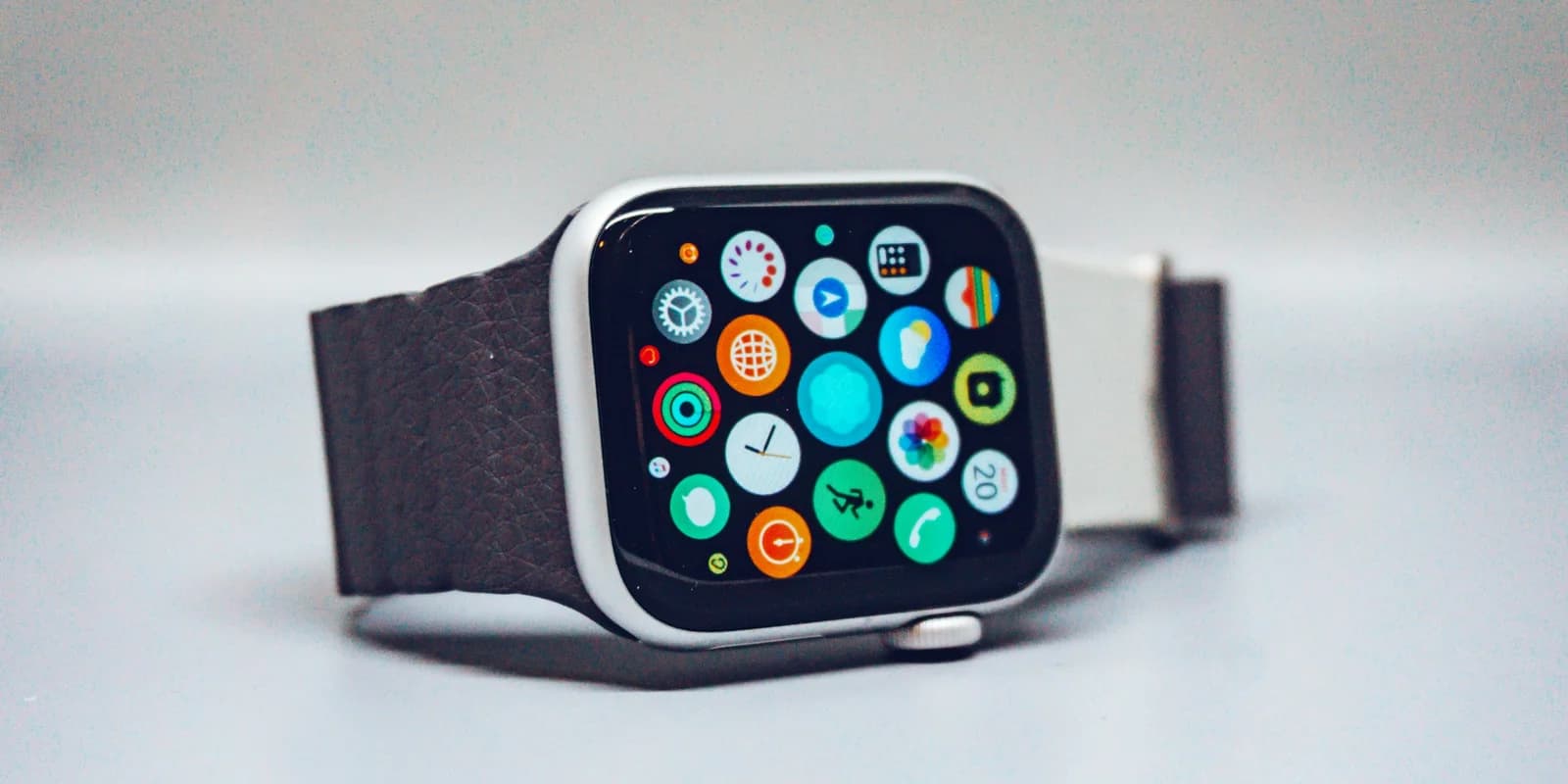
The smartwatch you buy in 2026 is mostly determined by two questions: which phone is in your pocket, and whether you want a general-purpose smartwatch or a training watch. Answer those before comparing sensors or case materials.
There's no universal best smartwatch. Apple Watch does not pair with Android, while current Samsung Galaxy Watch and Google Pixel Watch models are designed for Android rather than iPhone. Garmin works across both phone platforms but offers a different balance of notifications, apps, battery life, and training tools.
This is a research-based guide. SolderMag has not run a matched lab test of every watch below, so we separate published specifications and compatibility from editorial judgement. Battery endurance, heart-rate accuracy, sleep staging, GPS tracks, comfort, and durability require controlled or long-term testing we have not completed.
SolderMag Take: pick your phone first, then your watch
The honest hierarchy:
- iPhone user, want notifications and general fitness? Apple Watch Series 11. It is the current mainstream model and keeps Apple's messaging, payments, Health, and Find My integrations together.
- Training and navigation come first? Start with a Garmin matched to your sport and budget. Fenix 8 Pro adds premium mapping and optional inReach connectivity, but it is unnecessary for a casual runner.
- Android user, want Samsung's current general-purpose watch? Galaxy Watch9. It is the better small-watch buy than Watch8 because the 40mm battery grows from 325 mAh to 390 mAh. The 44mm upgrade is less convincing.
- Android user, prefer Google's hardware and health software? Pixel Watch 4. It comes in 41mm and 45mm sizes and works with most phones running Android 11 or newer.
- Outdoor communication without a phone? Fenix 8 Pro adds inReach cellular and satellite functions, but coverage, subscription, and local restrictions apply. Buy it only if those tools justify the premium.
The mistake to avoid is buying a watch from the wrong ecosystem because the hardware looks good. Check the manufacturer's exact phone and OS requirements first. Galaxy Watch9 requires Android 13 or newer; it is not an iPhone alternative.
Best smart watches at a glance
- iPhone, every day: Apple Watch Series 11. The mainstream current model is the sensible starting point before considering SE 3 or Ultra 3.
- Android outside Samsung: Pixel Watch 4. Available in 41mm and 45mm, with dual-frequency GPS and Android 11-or-newer compatibility.
- Samsung Android, every day: Galaxy Watch9. The 40mm model receives the meaningful battery-capacity upgrade; compare the 44mm version carefully against discounted Watch8 stock.
- Premium training and outdoors: Garmin Fenix 8 Pro. Consider it for mapping, rugged use, and supported inReach communication—not as a default smartwatch.
- Entry running watch: Garmin Forerunner 165. A lighter, simpler AMOLED running watch with up to 11 days in Garmin's smartwatch-mode test.
- Sleep and recovery only (no notifications): Whoop 5.0 or Oura Ring 4. Different category — they're not smart watches, they're recovery trackers. Worth mentioning because many "I want a smartwatch" buyers actually want a band or ring.
What actually matters in a smart watch
1) The phone ecosystem (decided before you open any tab)
We keep saying this because it's true: a smartwatch is a peripheral to your phone, and the smartwatch experience is bottlenecked by how well it talks to your specific phone.
- iPhone + Apple Watch: full iMessage send/reply with handwriting, voice, scribble, or quick reactions. Apple Pay. Find My on family devices. Health data integrated with the iOS Health app and shared with your doctor's app of choice.
- iPhone + Garmin: notifications work, but replies and Apple-specific integrations are limited. Check the exact Garmin model for payments, music, maps, and training features.
- Android + Samsung Galaxy Watch / Pixel Watch / Garmin: all three are candidates, but features vary by phone brand, watch model, country, and supporting app. The Apple Watch cannot pair to Android.
If you're on iPhone and want Apple's full integrations, start with Apple Watch. If you're on Android, Apple Watch is not a candidate. This is the biggest constraint on the buying decision.
2) Battery life: compare the test conditions
Manufacturer battery estimates are not directly comparable. Always-on display, GPS workouts, LTE, brightness, sleep tracking, music, signal strength, and background health features can change runtime substantially.
Start with charging tolerance instead of a headline number:
- choose a general-purpose Apple, Samsung, or Google watch if app and phone integration matters more than long gaps between charges;
- shortlist a Garmin or another training-first watch if multi-day endurance is a hard requirement;
- compare always-on, GPS, and low-power estimates separately rather than mixing them;
- allow margin for battery ageing and a heavy workout day.
The Galaxy Watch9 illustrates why capacity also needs context. Its 40mm battery is 20% larger than Watch8's, while the 44mm increase is only about 2.3%. Neither percentage is a verified runtime result. See our Galaxy Watch9 vs Watch8 comparison for the exact differences.
3) Sleep tracking: usefulness is not the same as accuracy
Most current watches estimate sleep duration and stages from movement and optical sensor data. The useful question is whether the watch is comfortable enough to wear overnight, has enough charge left, and presents trends you can act on.
Do not treat a consumer sleep-stage graph as a sleep study. Feature names, regulatory status, phone requirements, and country availability can also differ. If sleep is the main reason for buying, compare overnight comfort, charging routine, subscription requirements, data export, and the specific metrics supported in your region.
4) GPS: radio support is only the starting point
Multi-band satellite support can help in difficult environments such as city streets and tree cover, but antenna design, algorithms, fit, and software also matter. Galaxy Watch8 and Watch9 both list dual-band L1 and L5 GPS, so Watch9 has no paper-spec advantage there.
If route accuracy matters, look for a review that compares the exact watches on the same route against a known reference. A specification table alone cannot establish a winner.
5) Health features: verify region and purpose
ECG, blood oxygen, skin temperature, sleep-apnoea screening, body composition, and newer health scores are not universally available across every watch, phone, and country. Some features also require a specific app, account, phone brand, age, or period of wear.
Choose a feature because it supports a real habit or a conversation with a clinician, not because the sensor list is longer. Consumer wearables are not a diagnosis. If a health feature is central to the purchase, verify its current regulatory and compatibility status on the manufacturer's regional support page before buying.
6) Music, payments, and cellular
Cellular is model-, carrier-, phone-plan-, and country-specific. Check support before paying extra for an LTE variant.
- Apple Watch GPS + Cellular, Galaxy Watch LTE, and Pixel Watch LTE can provide calls and data without the phone nearby when the carrier and plan support them.
- Garmin Fenix 8 Pro uses inReach cellular and satellite functions for Garmin Messenger communication, location sharing, weather, and SOS. It is not a normal carrier smartwatch plan, requires a subscription, and has coverage restrictions.
- Offline music does not always require LTE. Check whether the exact model and music service support downloads and Bluetooth headphones.
If phone-free use is a real requirement, write down the jobs—calls, messages, streaming, stored music, maps, weather, or SOS—and verify each against the exact model and local provider.
The picks, in detail
Best for iPhone: Apple Watch Series 11
View Apple Watch Series 11 at Apple
Series 11 is Apple's current mainstream watch. Apple lists 42mm and 46mm cases, up to 24 hours of battery life in its normal-use test, and phone compatibility requiring iPhone 11 or later with iOS 26 or later.
This is the sensible starting point for an iPhone owner who wants notifications, general fitness tracking, Apple Pay, and Apple's Health and Find My integrations. Choose the case size by fit, and compare GPS with GPS + Cellular based on whether you genuinely leave the phone behind.
Compare Ultra 3 only if its larger case, outdoor controls, connectivity, or endurance are relevant. Compare SE 3 if price matters more than the differences in display and health hardware. Do not pay for a higher tier without naming the feature you need.
Garmin remains the alternative when navigation, training structure, or longer charging intervals matter more than Apple's app and messaging integration. That is a workflow difference, not a universal quality ranking.
Best premium training watch: Garmin Fenix 8 Pro
Fenix 8 Pro is Garmin's premium route for buyers who need mapping, extensive sport profiles, rugged hardware, and inReach communication from a watch. Garmin offers 47mm and 51mm AMOLED versions plus a 51mm MicroLED model.
The defining Pro feature is inReach cellular and satellite support for messaging, location check-ins, voice functions, weather, and SOS. An active subscription is required, service is not available everywhere, and some jurisdictions restrict satellite devices. Check coverage and rules before treating it as safety equipment.
This is an expensive, specialised watch. A runner who does not need mapping, dive features, rugged construction, or inReach should start lower in Garmin's range. The standard Fenix 8 may also make more sense when satellite and cellular functions are unnecessary.
What you give up versus Apple Watch is the tightest iPhone integration. What you gain is a device designed around sport, navigation, and longer manufacturer-rated endurance. Test the case size on your wrist before buying.
Best current Samsung watch: Galaxy Watch9
Galaxy Watch9 is the current mainstream Samsung pick for an Android buyer who wants Wear OS apps, Samsung's health software, and a conventional round watch rather than an outdoor-focused model.
The 40mm and 44mm versions use 1.34-inch and 1.47-inch Super AMOLED displays, both listed at up to 3,000 nits. Samsung moved from the Exynos W1000 in Watch8 to the Snapdragon Wear Elite platform, while keeping 2GB of memory, 32GB of storage, dual-band GPS, and the same 8.6mm published thickness.
The size decision matters. The 40mm battery rises from 325 mAh in Watch8 to 390 mAh in Watch9. The 44mm battery moves only from 435 mAh to 445 mAh. That makes the new small model easy to prefer, while a discounted 44mm Watch8 can still be the sensible value option.
Watch9 requires Android 13 or newer. Some health functions depend on region, phone, account, and software support. We have not tested its real-world battery life, processor performance, GPS tracks, or sensor accuracy, so our recommendation is based on specifications and product positioning rather than hands-on use.
Read the full Galaxy Watch9 vs Watch8 comparison before paying extra for the new generation.
Best for runners on a budget: Garmin Forerunner 165
The Forerunner 165 is the simpler running pick in this guide. Garmin lists a 1.2-inch AMOLED display, 43mm case, 39 g weight, 5ATM rating, up to 11 days in smartwatch mode, and up to 19 hours in GPS-only mode. Those are manufacturer test figures, not SolderMag runtime results.
Choose it when run planning, recovery tools, physical buttons, and Garmin Connect matter more than a broad app ecosystem. Check the separate Music version if watch-stored music is important.
Skip it if you need multi-band GPS, maps, or the broader training tools found further up Garmin's range. Do not assume a more expensive Garmin is automatically better for a straightforward road-running routine.
Honorable mentions
Apple Watch Ultra 3 — Apple's current larger outdoor model. Compare it with Series 11 only if the Ultra-specific case, controls, connectivity, or endurance justify the size and cost.
Pixel Watch 4 — Google's current Android watch. It comes in 41mm and 45mm sizes with a 3,000-nit LTPO display and dual-frequency GPS. Google rates the 41mm for up to 30 hours with always-on display and the 45mm for up to 40 hours; real use varies.
Garmin Instinct line — worth comparing when a rugged, button-led watch matters more than a premium AMOLED interface. Verify the exact Solar, AMOLED, or crossover model because the range is not interchangeable.
Garmin Forerunner 570 — the step-up running option to compare when multi-band GPS, music storage, and additional training tools matter. The cheaper Forerunner 165 remains enough for many runners.
Samsung Galaxy Watch8 44mm — the value alternative when the exact Bluetooth or LTE variant is substantially cheaper than Watch9. It retains the same-size 1.47-inch display, 32GB storage, and dual-band GPS. Check the exact 44mm Bluetooth model on Amazon.
What we'd skip
Apple Watch SE 3 without comparing Series 11 — the lower-cost model may be sensible, but the decision should be based on the exact display, connectivity, and health features you lose rather than the headline saving alone.
An unclear Galaxy Watch clearance listing — do not buy until the page identifies the case size, Bluetooth or LTE connectivity, region, model number, seller, and return policy. Older stock is only useful when it is the right variant at a real discount.
An old Fitbit bought for future support assumptions — compare its current software support and subscription requirements with Pixel Watch 4 before buying discontinued or ageing stock.
A third-party Wear OS watch chosen only on price — compare phone compatibility, update policy, battery claims, payment support, and health-feature availability first. A lower price does not guarantee equivalent support.
Cheap "fitness watches" under $50 — the Mibro, Amazfit, Xiaomi sub-$50 watches. They track steps and heart rate adequately but the algorithms and data integration are not in the same category. Buy a Garmin Forerunner 165 if budget is the concern; you'll keep it longer.
A note on health data accuracy
A reminder that's worth repeating: optical wrist heart rate can behave differently with motion, fit, skin contact, temperature, activity type, and sensor design. We have not run a matched accuracy test across the watches in this guide, so we will not assign a universal error percentage or accuracy winner.
If your training depends on precise heart-rate zones, check whether the exact watch supports an external chest strap and consult an independent matched test before choosing hardware.
Sleep tracking, similarly, is good but not medical-grade. The watches estimate sleep stages from heart rate variability and movement. The data is useful for trend analysis. It is not a sleep study.
The bottom line
Buy the Apple Watch Series 11 if you have a compatible iPhone and want Apple's mainstream general-purpose watch. Compare SE 3 and Ultra 3 only against features you will use.
Buy the Garmin Fenix 8 Pro only if its mapping, rugged design, training tools, and supported inReach functions justify the premium. Otherwise, choose a simpler Garmin.
Buy the Samsung Galaxy Watch9 if you use a compatible Android phone and want Samsung's current general-purpose watch. The 40mm model has the stronger upgrade case; compare the 44mm model against discounted Watch8 stock.
Buy the Garmin Forerunner 165 if you want a straightforward running watch and do not need multi-band GPS, maps, or top-tier training features.
The pattern: figure out your phone, then figure out whether you're a notifications person or a training person. Those two answers narrow this to a one- or two-watch decision. Everything else is preference.
Related buying guides
- Best workout earbuds 2026
- Best true wireless earbuds 2026
- Best noise cancelling headphones 2026
- Best bluetooth trackers 2026
Sources
- Apple Watch Series 11 product and current model pages: https://www.apple.com/apple-watch-series-11/ and https://www.apple.com/shop/buy-watch
- Google Pixel Watch 4 specifications: https://store.google.com/us/product/pixel_watch_4_specs?hl=en-US
- Samsung Galaxy Watch9 and Watch8 official announcements: https://news.samsung.com/global/samsung-galaxy-watch-ultra2-and-watch9-your-health-companion-on-the-wrist and https://news.samsung.com/global/samsung-galaxy-watch8-series-ultra-comfort-from-sleep-to-workout
- Garmin Fenix 8 Pro announcement and product page: https://www.garmin.com/en-US/newsroom/press-release/wearables-health/introducing-fenix-8-pro-the-first-ever-smartwatches-from-garmin-with-inreach-technology-for-satellite-and-cellular-connectivity/ and https://www.garmin.com/en-US/p/pn/010-03199-00/
- Garmin Forerunner 165 official announcement and comparison specifications: https://www.garmin.com/en-US/newsroom/press-release/sports-fitness/light-up-your-run-with-the-garmin-forerunner-165-series-easy-to-use-gps-running-smartwatches-with-vibrant-amoled-displays/ and https://www.garmin.com/en-US/compare/?compareProduct=1055469&compareProduct=713363
As an Amazon Associate I earn from qualifying purchases.