Best True Wireless Earbuds (2026): Technics, Sony or Bose?
Compare Technics AZ100, Sony WF-1000XM5 and Bose QC Ultra Earbuds 2 by fit, device switching and battery limits. Choose features you will actually use.
Research-based buying guide
Recommendations are checked against product documentation, availability, comparative evidence, and clearly disclosed hands-on work where it exists.
Quick picks
The short answer, with the trade-off
For three devices
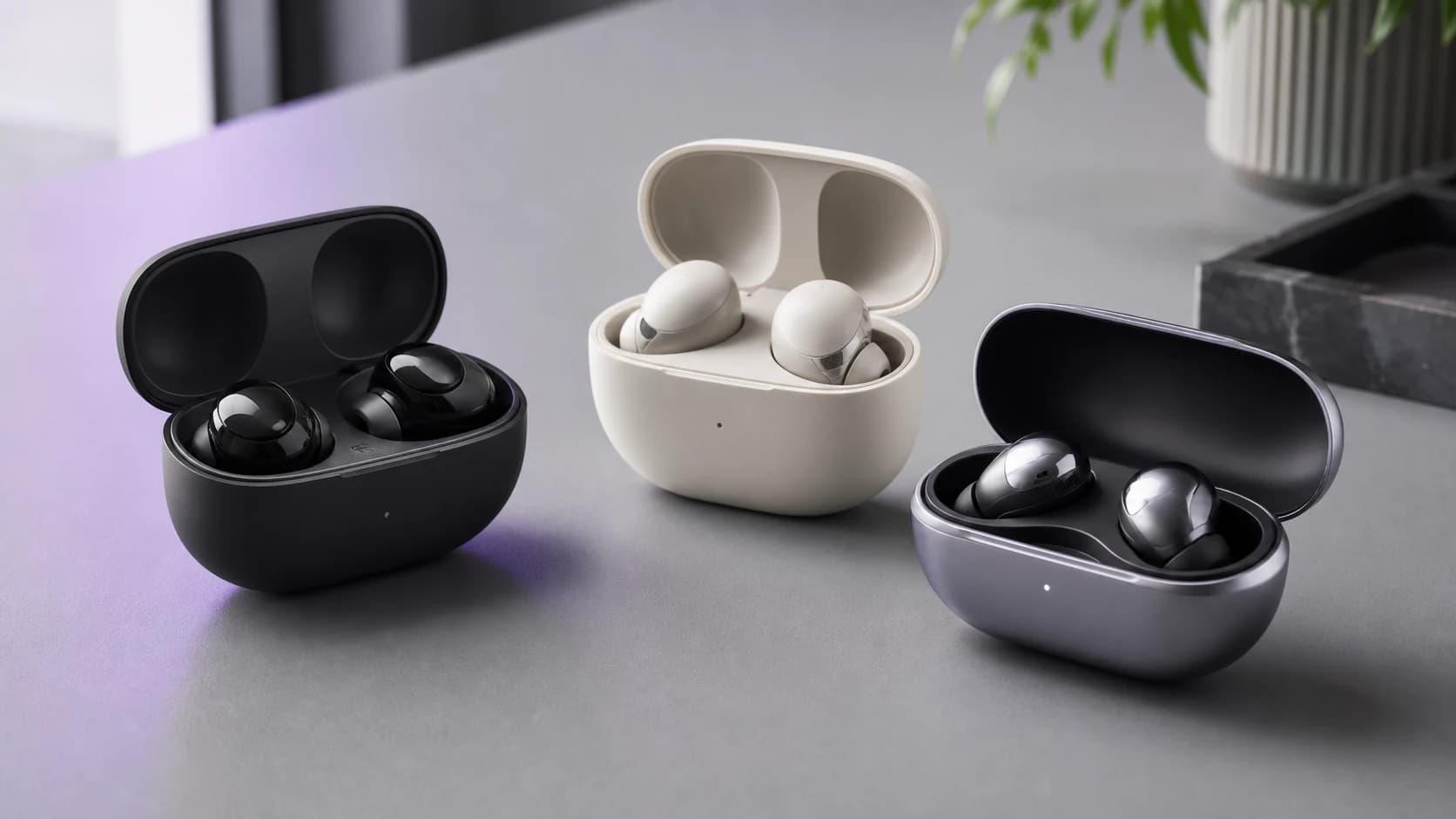
Technics EAH-AZ100 (Black)
Three-device multipoint
Trade-off: No LDAC playback with three devices connected

For phone and laptop
Sony WF-1000XM5 (Silver)
Trade-off: LDAC requires compatible source hardware and settings

For adjustable fit
Bose QuietComfort Ultra Earbuds (2nd Gen)
Trade-off: Immersive Audio reduces stated battery life
On this page
Start with the Technics EAH-AZ100 if you switch between three devices. Consider the Sony WF-1000XM5 for a phone-and-laptop setup when its price makes sense. Choose the Bose QuietComfort Ultra Earbuds (2nd Gen) if separate stability bands and adjustable noise-cancelling modes solve your main problem.
These are three specific buying options, not a claim that one earbud wins every listening test. This guide is research-based: we compared manufacturer specifications, feature restrictions and connection requirements. We have not completed comparative hands-on testing of these models. Fit, outdoor microphone quality and long-term battery condition remain things to check before committing.
Quick comparison
| Model | Reason to shortlist it | Manufacturer playback claim | Main restriction |
|---|---|---|---|
| Technics EAH-AZ100 | Three-device multipoint | About 10 hours with ANC and AAC; 7 with ANC and LDAC | Three connected devices excludes LDAC playback |
| Sony WF-1000XM5 | Two-device multipoint and LDAC support | About 8 hours with noise cancelling | LDAC needs a compatible source; check the price against alternatives |
| Bose QC Ultra Earbuds (2nd Gen) | Separate tips and stability bands; adjustable ANC modes | Up to 6 hours; 4 with Immersive Audio | Immersive Audio reduces the stated listening time |
These are manufacturer figures under different conditions, not a controlled battery comparison. Calls, volume, settings and battery age can change your result. Case capacity does not extend one uninterrupted listening session: the earbuds still need time back in the case.
Technics EAH-AZ100: for a three-device desk
The useful distinction is connection flexibility. Technics documents three-device multipoint, five tip sizes and configurable touch controls. That is a sensible combination for someone moving between a work laptop, personal phone and tablet.
The restriction matters: you cannot use LDAC playback with three devices connected. Buy for the switching convenience if that is your everyday need; do not budget around getting every feature simultaneously.
Technics EAH-AZ100 (Black)
Why it works
- Three-device multipoint
- Five supplied tip sizes
- Configurable touch controls
Main trade-off
- No LDAC playback with three devices connected
Buy it if: you regularly need three paired devices ready to switch, and want to choose the control layout in the app.
Skip it if: you listen from one phone and would be paying primarily for connectivity you will not use. A less expensive pair with a comfortable seal may serve that routine just as well.
Sony WF-1000XM5: for a phone-and-laptop setup
Sony specifies two-device multipoint, LDAC, an adjustable Ambient Sound mode and USB-C or Qi case charging. Those features cover a straightforward routine: music on the laptop, then a call on the phone.
This is specifically the WF-1000XM5, not the XM6. Compare the exact model number and seller before paying; a familiar flagship name alone is not a reason to accept a high price. The Silver variant is the linked option.
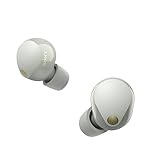
Sony WF-1000XM5 (Silver)
Why it works
- Two-device multipoint
- LDAC with compatible sources
- USB-C and Qi case charging
Main trade-off
- LDAC requires compatible source hardware and settings
Buy it if: two connections are enough and the offered price is attractive relative to the other models you are considering.
Skip it if: you need three-device switching or are choosing solely on an unsupported promise of better microphone performance. The specification sheet cannot tell you how your voice will sound on a windy commute.
Bose QuietComfort Ultra Earbuds (2nd Gen): for adjustable fit
Bose provides separate eartips and stability bands, an app-based seal test and custom listening modes. The practical appeal is being able to adjust how the housing sits independently of the tip sealing your ear canal.
That makes this a reasonable pair to try if changing tip size alone has not solved movement or discomfort. It does not guarantee comfort in your ears. Check the retailer's opened-earbud return conditions before relying on a trial.

Bose QuietComfort Ultra Earbuds (2nd Gen)
Why it works
- Separate tips and stability bands
- Custom noise-cancelling modes
- Wireless charging case
Main trade-off
- Immersive Audio reduces stated battery life
Buy it if: adjustable physical fit and control over listening modes matter more to you than the longest stated session time.
Skip it if: you need a full working day without a charging break. We would not pay extra just for a “best ANC” label without a useful fit trial or comparable independent measurements.
What about Sennheiser MOMENTUM True Wireless 4?
Sennheiser's US page marks the MTW4 as end of life and says it is no longer sold on that website. It is no longer one of this guide's main purchase picks. Existing owners can use the same page to find listed spare parts. If considering remaining retailer stock, check the seller, warranty and return terms; the manufacturer notice does not establish availability at every retailer.
Buying checklist: before spending more
Start with fit, then test the features you use
Try different tip sizes in each ear; your left and right ears need not use the same size. During a return window, check whether speaking, chewing or walking loosens the seal. Do this before judging bass or noise cancellation. Avoid ordering aftermarket tips until you have confirmed both nozzle compatibility and whether the earbuds still fit in the charging case.
For regular exercise, use our workout-earbud guide and Powerbeats Fit versus Powerbeats Pro 2 comparison to consider a different retention design. A premium commuting earbud is not automatically the right running purchase.
Separate microphone needs from music features
ANC for the listener does not prove clear speech for the person at the other end of a call. If work calls drive the purchase, start with our earbuds for phone calls guide, then look for recordings made in conditions resembling your own.
At a fixed desk, a separate USB microphone is another setup to consider. If Bluetooth playback changes when the microphone activates, check our Windows Bluetooth audio explanation before replacing otherwise useful earbuds.
Pay for a feature you can name
A third device connection is worth considering when you actually use three devices. Wireless case charging is convenient if you already use a charging pad. Neither should outweigh uncomfortable fit.
If your existing earbuds stay secure, last long enough and handle your calls, keeping them is the cheapest alternative. If in-ear pressure is the problem, compare noise-cancelling headphones or our budget headphone shortlist instead of buying another similar earbud shell.
Questions worth asking
Does multipoint play two sources together?
Do not assume so. Connection and switching are different from mixing two audio streams. Our multipoint versus simultaneous audio guide explains that distinction before you buy for gaming and phone use.
Which of these has the best noise cancellation?
We have not run the controlled comparison needed to rank that reliably. Use the documented feature differences above to narrow the choice, then prioritise fit and comparable measurements over manufacturer superlatives.
Should I pay more for LDAC?
Only put weight on it after checking your source device and intended connection mode. Both the Technics three-device restriction and Sony's compatible-source requirement matter more than the logo on the box. It is not a substitute for comfortable fit or the controls you need.
Sources and review basis
Manufacturer pages linked above were reviewed on 2 October 2026. They support the stated features, battery conditions and Sennheiser lifecycle notice. Recommendations are editorial judgments about those features, not measured sound, ANC or call-quality rankings. Prices, seller terms and stock can change; check the exact model at checkout.
As an Amazon Associate I earn from qualifying purchases.